

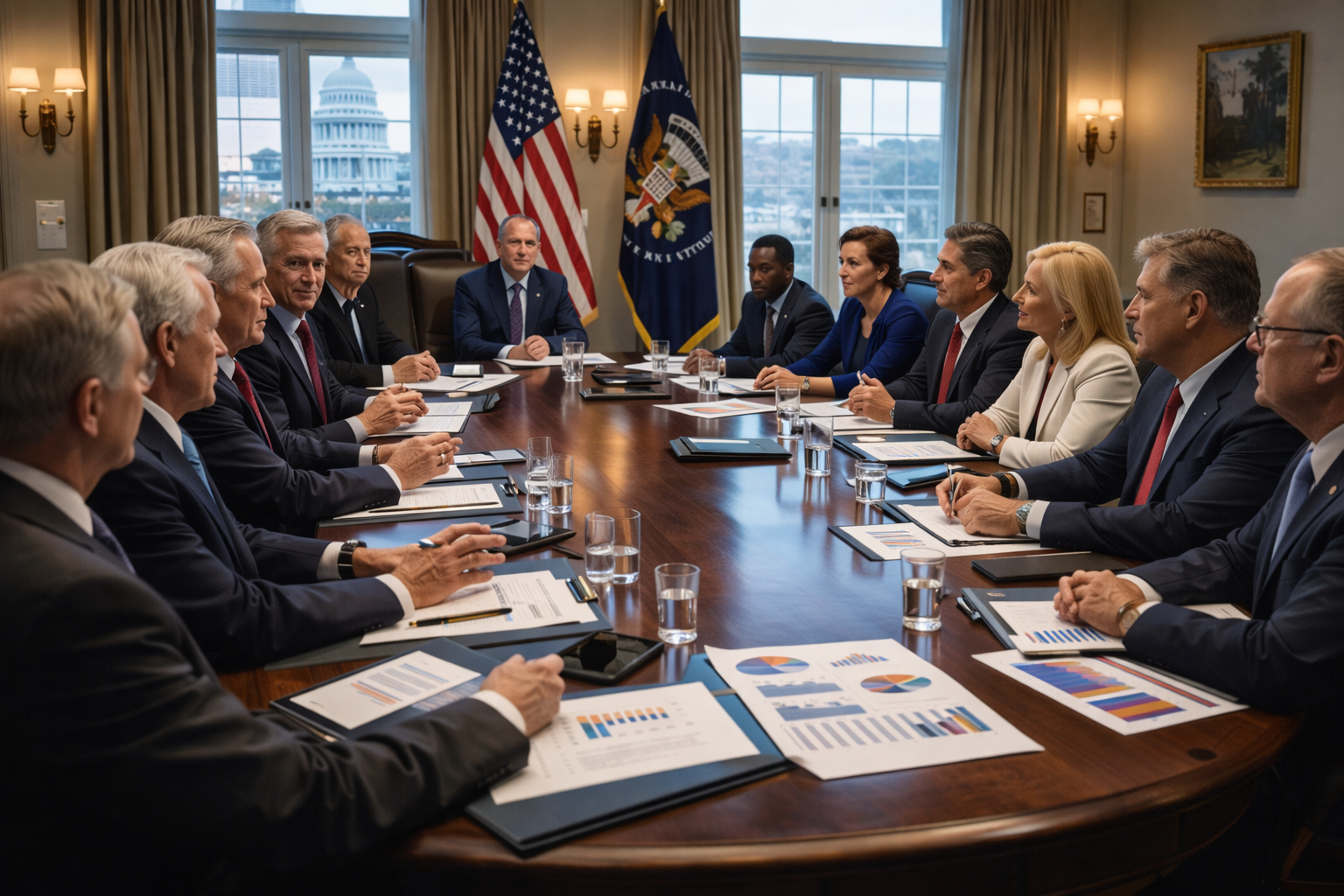
Lawmakers in Washington are currently debating several major policy proposals that could have significant effects on the American economy and government programs in the years ahead.
These discussions focus on key areas such as taxation, energy production, infrastructure investment, and regulatory reform. Many lawmakers argue that policy decisions made today will determine how the United States competes in the global economy over the next decade.
Supporters of new economic policies say the country must focus on strengthening domestic industries, encouraging innovation, and reducing unnecessary regulations that may slow economic growth.
Others argue that government programs and investments are essential for supporting communities, improving infrastructure, and ensuring long-term stability.
Economic policy has always been a central part of political debate in Washington. However, the stakes are particularly high today as lawmakers attempt to balance economic growth with concerns about inflation, national debt, and global competition.

Economic Strategy and Future Growth
Experts say that the direction of American economic policy will likely shape the country’s financial stability for many years.
Decisions about taxation, government spending, and regulatory frameworks can influence everything from job creation to business investment.
Some economists believe reducing regulatory barriers could encourage entrepreneurship and allow businesses to expand more quickly.
Others argue that targeted government investments in infrastructure, technology, and education are necessary to keep the United States competitive with other global economic powers.
As these policy debates continue in Washington, businesses, investors, and ordinary Americans are closely watching how lawmakers respond to the economic challenges facing the country.
The outcome of these discussions could define the next chapter of American economic policy.